







Search Results for: Fresh Coffee
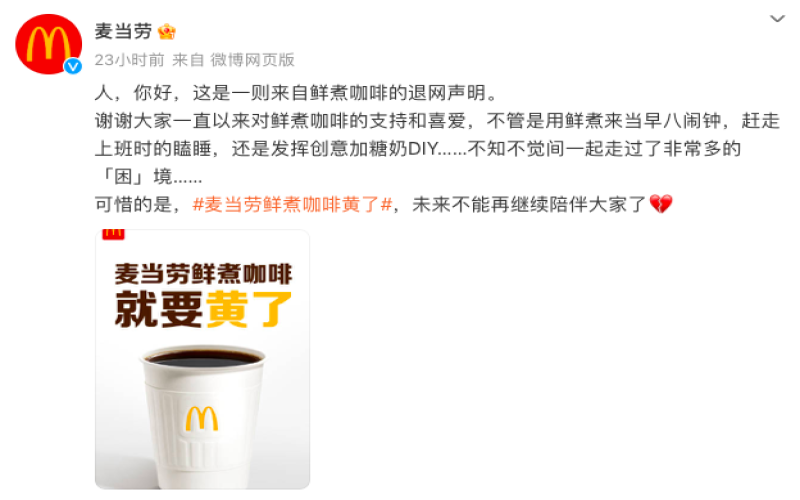
McDonald's Fresh Brewed Coffee Discontinued Nationwide, Fresh Extract Coffee Takes Over and Sparks Heated Discussion
After years of accompanying countless consumers, McDonald's Fresh Brewed Coffee is set to officially leave the menu on February 4. Once the news broke, McDonald's fans expressed their reluctance to see it go. The company quickly announced that Freshly Extracted Coffee would take its place, but the new offering retains the same drip-brewing process and configuration of creamer and sugar packets, drawing criticism that it's "a new name for the same thing." Behind this adjustment may lie McDonald's deeper intention to promote its McCafé brand. For consumers, the real concerns are whether the price will rise and whether free refills will continue. This article sorts through the ins and outs of the event to walk you through the whole story of this coffee menu change. [more…]
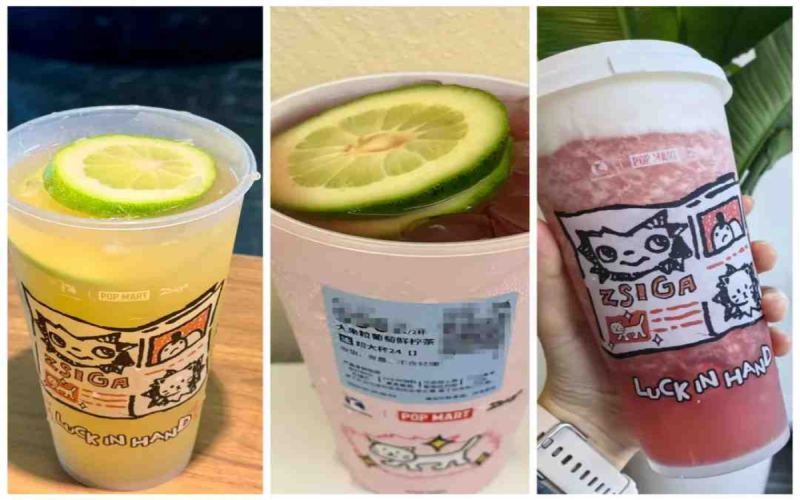
Luckin Regional Limited Release of Freshly Cut Fruit Drinks, Stores Add Slicing Tools Sparking Heated Discussion Among Employees and Consumers
Luckin Coffee recently launched region-exclusive new products in Shenzhen and Chengdu respectively. In Shenzhen, these include "Daily Fresh Lemon Tea," "Large Fruit Grape Fresh Lemon Tea," and "Fragrant Lemon Jasmine Americano," while Chengdu introduced "Snow Cheese Berry Berry." Unlike the previous use of freeze-dried fruit pieces, these new products incorporate fresh fruit handled on-site at the stores. The three lemon drinks in Shenzhen include lemon slices cut fresh the same day, and the Chengdu new product adds washed fresh strawberries. This change has raised consumer questions about whether stores are equipped for fresh cutting, and subsequently, Luckin employees in both locations posted photos of the delivered fruit and newly equipped fruit slicers as proof. However, employees in non-limited regions generally avoided commenting on this, and online reviews showed polarized opinions. [more…]
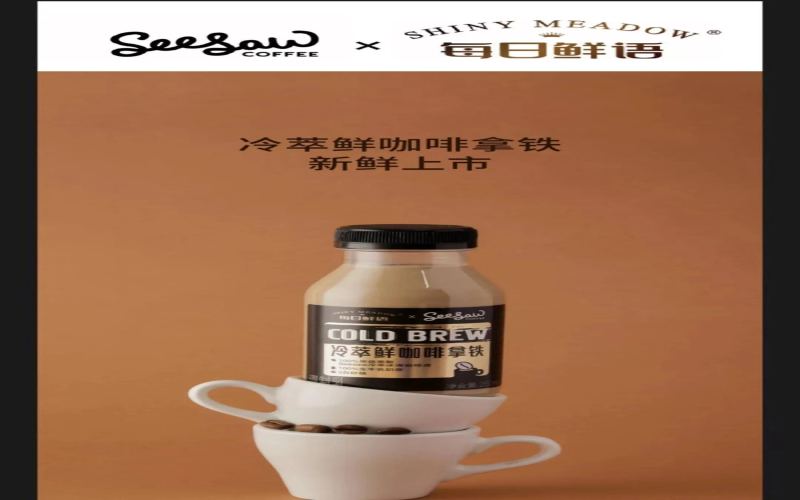
Seesaw partners with Daily Fresh Milk to launch bottled cold brew latte, sweetened with monk fruit concentrate, sparking polarized reviews
Specialty coffee brand Seesaw recently teamed up with Mengniu's fresh milk brand Daily Fresh to launch a bottled cold brew fresh milk latte. The official claim is that it uses custom cold brew beans, paired with fresh milk from a GAP Grade 1 certified pasture, with an ingredient list that highlights 0 non-dairy creamer, 0 white granulated sugar, and 0 artificial sweeteners, while the sweetness comes from natural monk fruit concentrate. After the product hit the market, online shopping platforms sold it at about 11 yuan per bottle, with a minimum purchase of 3 bottles, prompting many consumers to stock up. However, public opinion is clearly divided: some praise the clean formula of fresh milk plus coffee, while others complain of a traditional Chinese medicine taste, a sticky mouthfeel, and an inexplicable astringency, with the controversy centering on the sweetness brought by monk fruit concentrate. This article reviews the formula, price, and consumer feedback of this new product, and explores the competition and choices in the bottled coffee market. [more…]
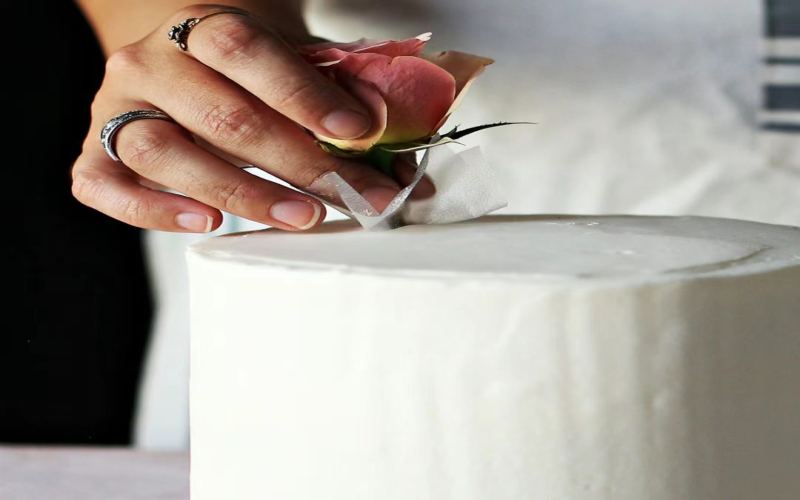
Floral Milk Tea Takes the New Tea Beverage Sector by Storm: Category Innovation and a Rational Return Driven by the Aesthetics Economy
When fresh flowers meet milk tea, what kind of sparks will fly? A tea beverage shop in Shanghai called Xue Xiaomei MICHA has given the answer—monthly revenue peaking at over 700,000 yuan, with more than 1,200 cups sold in a single day at its highest. The fresh flower tea beverage series has drawn attention with prices ranging from 40 to 129 yuan. Behind this is not only the drive of the "appearance economy," but also the business logic of a hybrid operation combining a flower shop and a tea beverage shop. From Shanghai to Wuhan, Guangzhou, and Xi'an, this kind of combined store is spreading across the country. However, the safety boundary between fresh flowers and beverages, and the difficulty of repeat purchases after consumers' novelty wears off, are also realities that this category must face head-on. This article will take you through a comprehensive understanding of the popularity code and industry concerns behind fresh flower milk tea. [more…]

China's first group standard for "Whole-Leaf Fresh Milk Tea" officially takes effect, further accelerating the health-oriented upgrade of new-style tea drinks.
In recent years, consumers' growing attention to beverage health has driven tea drink brands to continuously iterate toward natural ingredients and clean formulas. Against this backdrop, the group standard "Original Leaf Fresh Milk Tea," proposed by the Guangxi Tea Circulation Association and drafted under the leadership of Chagee (Shanghai) Brand Management Co., Ltd., was approved for release and implementation, becoming China's first group standard for original leaf fresh milk tea in the new-style tea beverage sector. The standard clearly defines the terminology and definitions of original leaf fresh milk tea, and sets specific requirements for raw material selection, production processes, storage conditions, and prohibited additives, marking another important step forward in the standardization of the freshly made tea beverage industry. [more…]
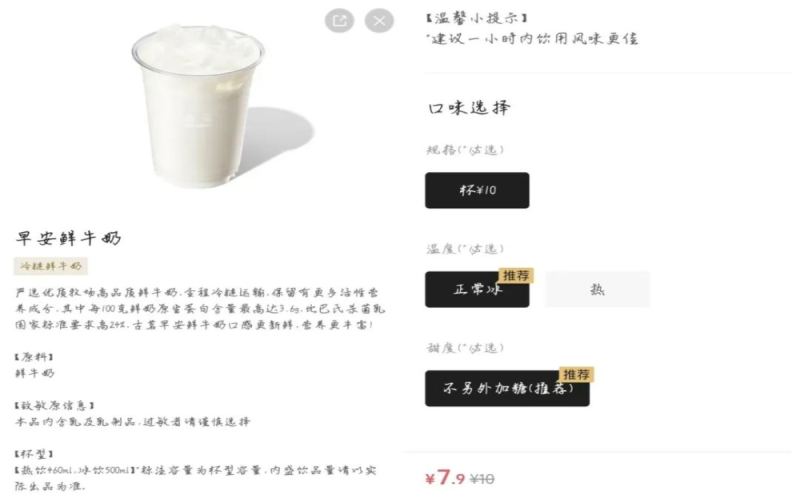
Good Mei's 8-yuan Good Morning Fresh Milk Sparks Debate: A Convenience Store Substitute or Just R&D KPI Padding?
Guming's mini-program has quietly launched a new product called "Morning Fresh Milk." The only ingredient is fresh milk, available in hot or cold options, priced at 8 yuan per 500ml. After trying it, consumers discovered that the cup contains exactly the same refrigerated fresh milk brands used in stores for making tea drinks—Yue Xian Huo, Weigang, and Renyangyitouniu—tasting no different from what's sold in supermarkets and convenience stores. Once the news broke, netizens reacted with sharply divided opinions: some felt the price was completely uncompetitive, arguing it's better to just buy from a supermarket or convenience store, and joked that this was "forcing out a product with no real substance," with R&D staff cobbling together a new item just to meet KPI targets; others thought they could simply add espresso or toppings themselves to make a low-cost latte. Some netizens even let their imaginations run wild, speculating that Guming is testing the waters for a foray into the breakfast market. This article will sort through the discussions sparked by this new product and the possible business logic behind it. [more…]
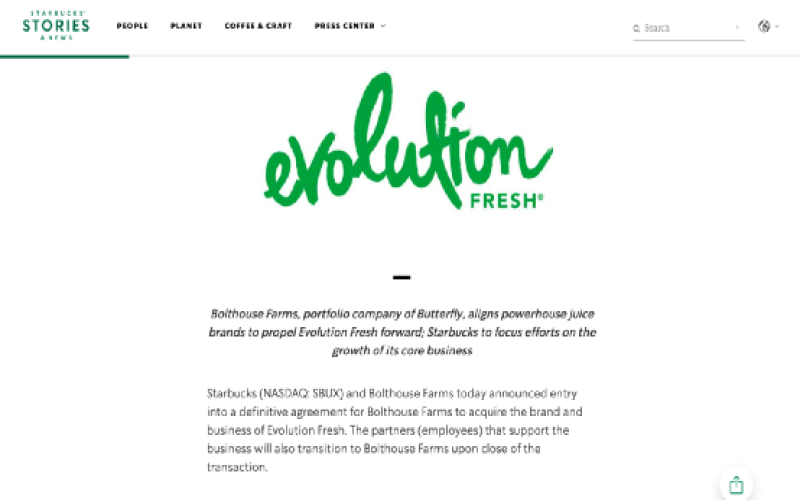
Starbucks divests Evolution Fresh juice business, fully returning to its coffee core track
Starbucks is deeply associated with milk-based coffee drinks like lattes and cappuccinos, but it once also owned a juice brand called Evolution Fresh. Recently, Starbucks officially announced that it would sell the brand to Bolthouse Farms, allowing it to concentrate more resources on growing its coffee beverage business. The deal involves nearly 300 employees and is expected to be completed later this year. From a high-priced acquisition in 2011 to its resale now, the fate of Evolution Fresh reflects Starbucks' strategic swings under different leaders. This article will sort through the ins and outs of this sale, and how Starbucks, after Schultz's return, is refocusing on the U.S. coffee market and responding to the wave of unionization. [more…]
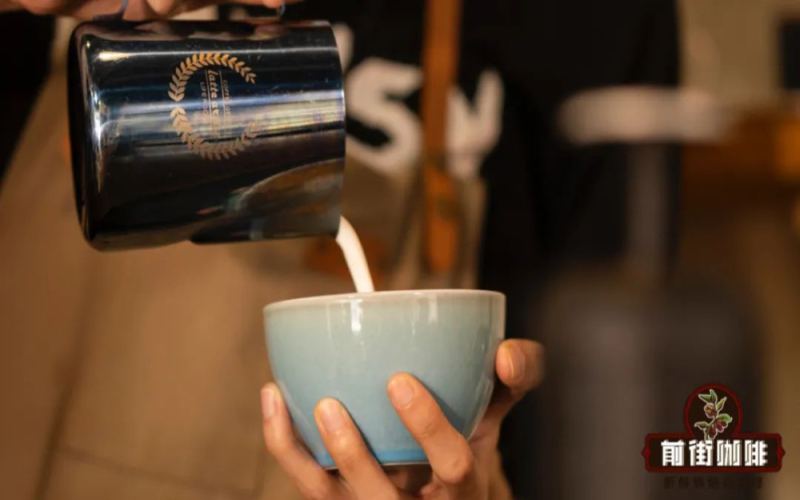
Why Do Cafés Prefer Low-Temperature Whole Fresh Milk for Lattes? A Core Analysis of the Differences Between Fresh Milk and Shelf-Stable Pure Milk
Walk into any café and order a latte or cappuccino, and unless you specify otherwise, the barista will almost always reach for whole fresh milk by default. Why are cafés so devoted to cold-chain fresh milk? What roles do the protein, fat, and lactose in milk each play in a milk coffee? And what trade-offs in flavor and shelf life do pasteurization and UHT ultra-high-temperature sterilization bring? Starting from how milk components affect coffee flavor and milk foam structure, this article peels back the layers to reveal the core logic behind whole fresh milk becoming the top choice for cafés, while comparing the real differences between cold-chain fresh milk and shelf-stable pure milk, so you can make a more suitable choice when making milk coffee at home. [more…]

A Complete Guide to Bean Selection and Milk Pairing for Latte Coffee: The Golden Ratio of Espresso and Milk
To make a delicious latte at home, the pairing of coffee beans and milk is key. This article approaches the topic from the perspective of milk types, analyzing the differences between skim milk, shelf-stable milk, and fresh milk in milk coffee preparation, and points out that fresh milk, due to pasteurization, better preserves flavor and is therefore more suitable for pairing with espresso. However, fresher milk is not necessarily better—different coffee beans require milk of different textures. Front Street Coffee's Classic Italian Blend is suited to light-bodied fresh milk, while Front Street Coffee's Strawberry Candy Italian Blend is better combined with rich, heavy milk. The article also emphasizes that online reviews only represent results under specific beans, so before choosing milk, one should first understand the flavor characteristics of the coffee beans being used, and then find the most suitable match accordingly. [more…]

What's the Difference Between Milk Brew and Cold Brew with Milk? A Detailed Guide to the Fresh Milk Cold Brew Coffee Grounds Method and Cold Brew Latte Preparation
Cold brew coffee methods are endlessly varied, and when milk is introduced into a low-temperature immersion system, two distinctly different paths emerge: one is to directly replace water with fresh milk to cold-brew coffee grounds, known as milk brew; the other is to first make cold brew coffee, then mix in fresh milk according to a ratio. The two differ noticeably in extraction mechanism, flavor direction, and mouthfeel thickness. This article focuses on the practical parameters of Front Street. Queen's Estate, providing respectively the ratios, grind size, refrigeration time, and filtration key points for milk brew coffee and cold brew with milk added, and explaining the choice of medium-dark roasted beans and fruity medium-roasted beans suitable for pairing with milk, to help coffee enthusiasts make a smooth, sweetly fragrant, and clearly flavored cold brew latte in summer. [more…]
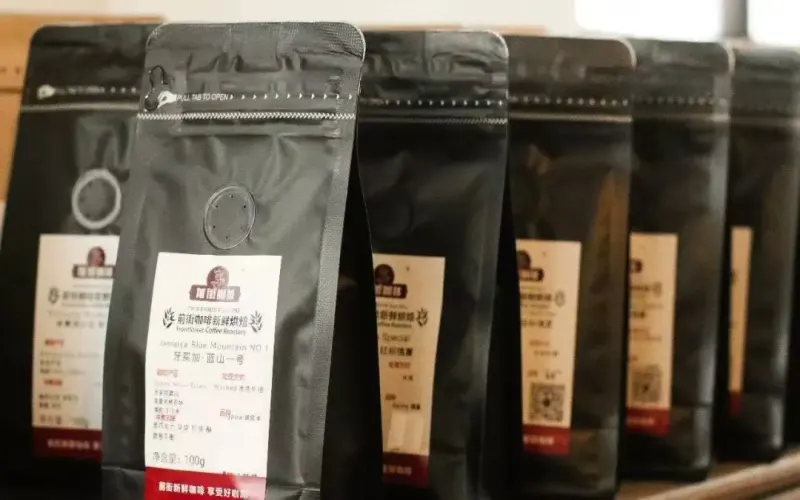
How do you choose hand-brewed coffee beans with a fresh, clean flavor? Flavor characteristics and bean selection approach for Yirgacheffe Gutingding
To enjoy a cup of pour-over coffee with a fresh flavor and clean mouthfeel, there are actually discernible guidelines when choosing beans. The degree of roast, the processing method, and the terroir of the growing region are the three key factors that determine the direction of a coffee's flavor. A light roast preserves more organic acids and delicate aromas, while the washed process makes the fermentation level of the coffee beans more controllable, and the regions of Africa and Central and South America are especially concentrated sources of fresh-flavored beans. Based on Front Street's bean-selection experience, this article lays out a practical approach to choosing coffee beans with high cleanliness and a fresh flavor, and recommends specific qualifying beans such as Front Street Yirgacheffe·Gedeb and Front Street Wander Estate·Washed Geisha, suitable for both pour-over and cold brew preparation. [more…]
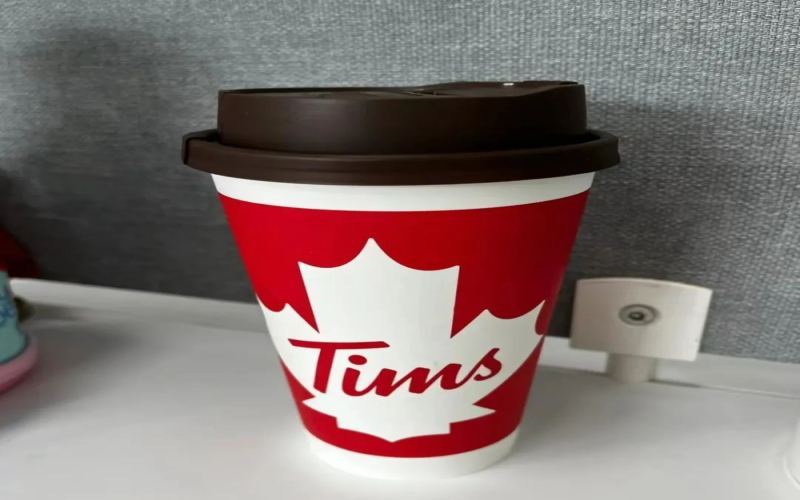
Tims Fresh Brew Coffee hit by customer complaints of excessive coffee grounds at the bottom of the cup; customer service says sediment is normal, sparking heated discussion.
Chain coffee brands each have their own memorable selling points, and Tims China (Tims天好咖啡) has gained popularity with its bagels and Fresh Brew coffee. Fresh Brew coffee is similar to drip pour-over, with less oil and a refreshing taste, favored by many enthusiasts. But recently, some netizens reported that the Fresh Brew coffee they bought at Tims had a large amount of coffee grounds left at the bottom of the cup when they finished drinking it, and customer service responded that "sediment is a normal phenomenon," sparking controversy. Similar complaints are not the first of their kind; as early as last November, consumers had already posted photos complaining about it. A small amount of fine powder sediment in coffee is common, but the amount of grounds visible to the naked eye has already affected the drinking experience. Is it a staff operational error or an equipment malfunction? Will Tims take measures to standardize its products? This article takes you through the whole story. [more…]
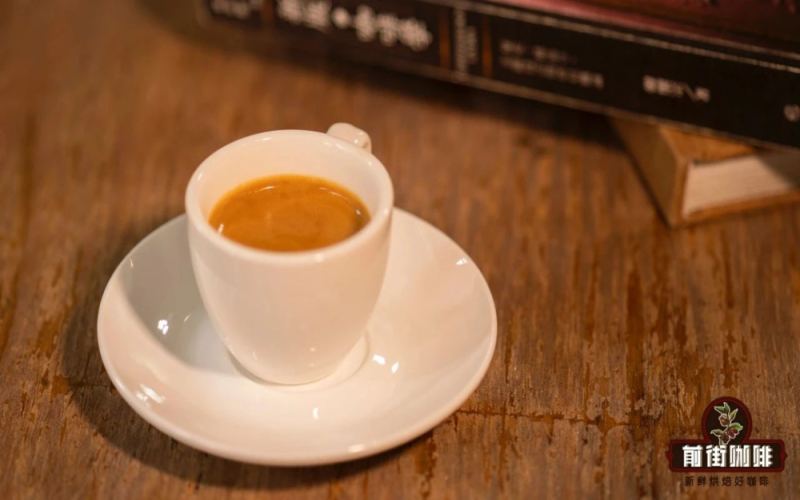
An In-Depth Analysis of the Core Differences Between Freshly Ground and Freshly Roasted Coffee, Plus Where to Buy Fresh Coffee Beans and a Recommendation for the Front Street Coffee Roasting Brand
In the pursuit of coffee freshness, freshly ground and freshly roasted are often lumped together, yet the meanings and values they represent are entirely different. The core of freshly ground lies in releasing the fullest aroma of the coffee beans, but once ground into powder, the aromatic substances dissipate rapidly, so it must be consumed as soon as possible, and all of this presupposes that the coffee beans themselves are fresh enough, with a roasting date generally recommended to be within 50 days. Freshly roasted, on the other hand, is about guaranteeing the freshness of the coffee beans from the source, because roasted beans continue to release gas, and once stored for more than a month, the aroma noticeably fades and the flavor suffers greatly. This article will deeply analyze the essential differences between the two, and recommend the Front Street Coffee brand, which specializes in self-roasting, introducing its rich product line and its promise of fresh roasting within 5 days, to help coffee lovers find a reliable purchasing channel. [more…]

Why Do Freshly Roasted Coffee Beans Need to Rest for Two to Three Days? Brewing Parameters for Fresh Beans and Three Practical Approaches Explained in Detail
Freshly roasted coffee beans often carry a large amount of carbon dioxide and a harsh, dry sensation. Brewing them directly will greatly diminish the flavor, and the cup will not be smooth enough to drink. This article addresses this common problem by outlining three practical solutions for dealing with fresh coffee beans: first, accelerating gas release through degassing; second, adjusting parameters such as water temperature, grind size, and blooming time to improve extraction efficiency; and third, adopting immersion-based extraction, which has a higher margin for error. Using Front Street Ethiopia Hamashu coffee beans as an example, the article provides specific details on dose, water temperature, coffee-to-water ratio, and staged pouring demonstrations, and compares the flavor differences under conventional parameters, helping coffee lovers brew a relatively excellent cup even when they are impatient to drink it. [more…]
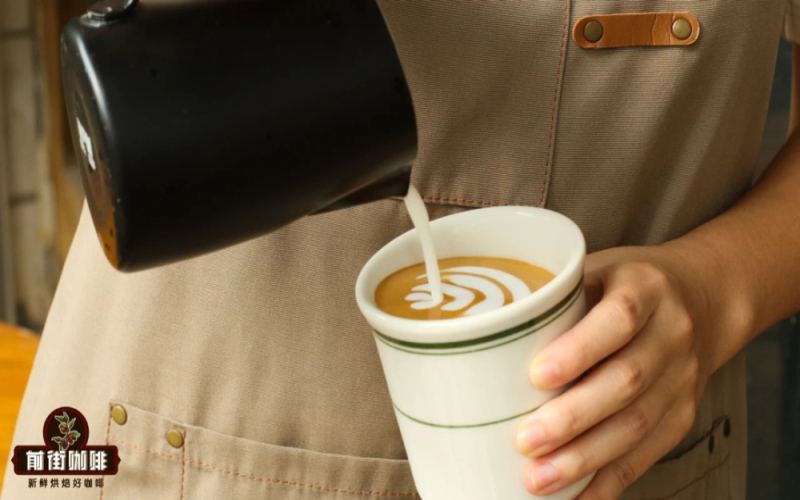
The Correct Way to Mix Coffee with Milk: A Guide to Ratios, Suitable Coffee Types, and the Difference Between Fresh Milk and Pure Milk
The pairing of coffee and milk may seem simple, but it actually places strict demands on the coffee's own strength and flavor profile. Starting from the golden ratio of coffee to milk, this article explains why deep-roasted coffee with a bitter-leaning character is better suited to combining with milk than acidic coffee, and uses espresso and latte as examples to introduce the 1:6.5 blending scheme of Front Street Coffee Sunflower Warm Sun Blend and Vitasoy Fresh Milk. It also discusses whether pour-over coffee can have milk added, which types of pour-over are suitable for adding milk and the recommended amounts, and finally sorts out the five differences between fresh milk and pure milk in terms of shelf life, storage method, sterilization process, nutritional value and taste, helping coffee lovers find a cup that is smooth yet still retains coffee flavor. [more…]
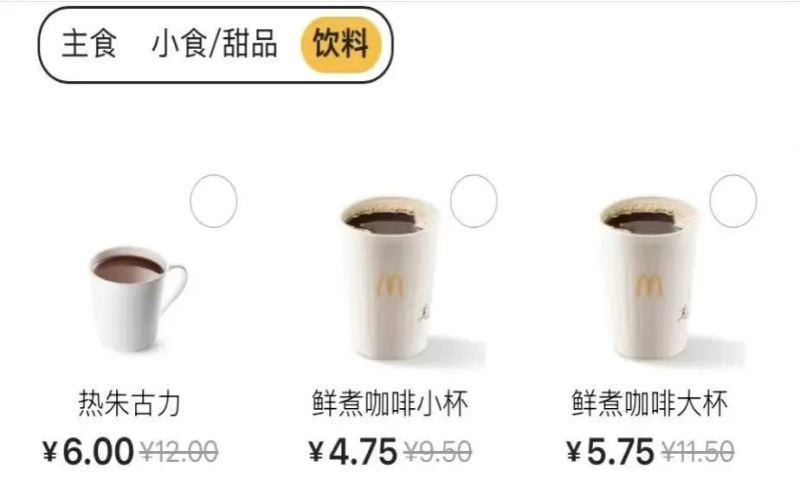
McDonald's Freshly Brewed Coffee Discontinued in Many Places, McCafé Taking Over Sparks Heated Consumer Discussion
Recently, consumers in many places have noticed that McDonald's freshly brewed coffee has quietly disappeared from the menu. Staff have confirmed that the product has been phased out in succession, and future stores will mainly promote the McCafé freshly ground series. As a classic product that McDonald's has established in the Chinese market for more than thirty years, freshly brewed coffee once became the daily choice of countless office workers thanks to free refills during breakfast hours and its high cost-effectiveness. Now, however, it has been discontinued in many places, triggering a strong reaction among McDonald's fans. Some people exclaimed that "the sky has fallen," while others said they did not mind. This article will sort out the specific situation of the discontinuation of freshly brewed coffee, its historical background, consumer reactions, and the behind-the-scenes reasons revealed by employees. [more…]
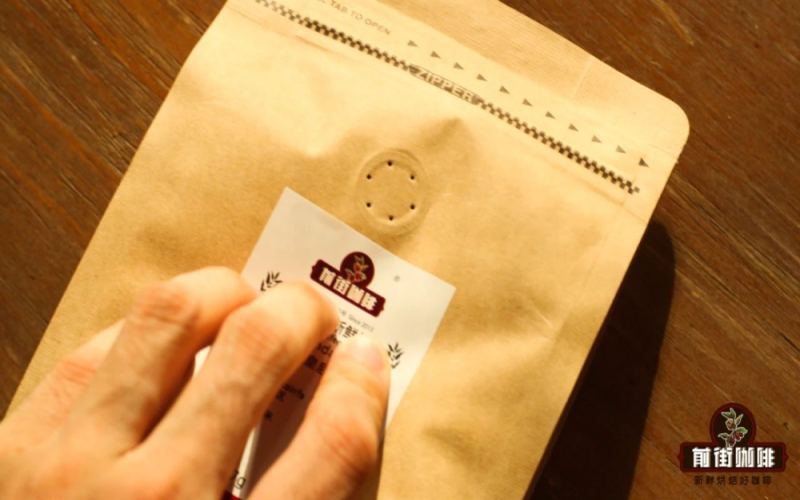
Quickly Select Fresh Coffee Beans | How to Tell If Single-Origin Coffee Beans Are Freshly Roasted? Recommended Coffee Bean Roasting Brands for Beginners
Many friends have left comments saying they don't know how to choose coffee beans, or how to tell whether the coffee beans they bought are fresh. So today, Front Street Coffee will teach you how to choose coffee beans, so that next time you buy coffee, you won't have to worry about getting beans that don't suit you or aren't fresh. Let's take a look at the most basic things you need to know when choosing coffee beans. [more…]
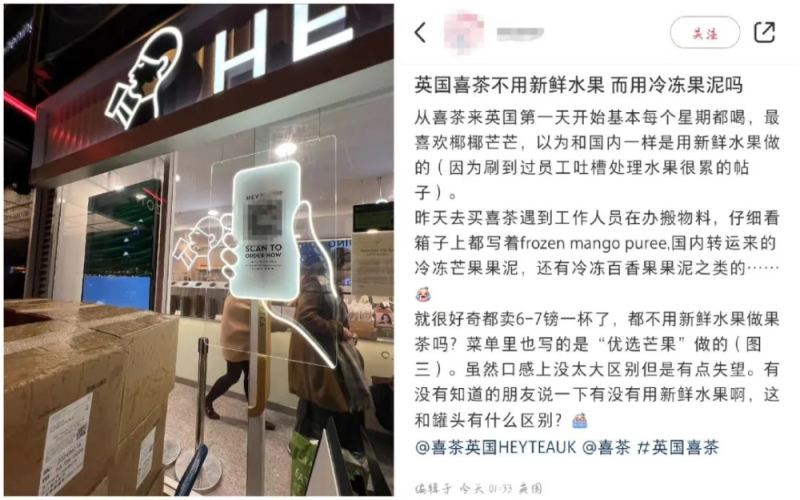
A UK Heytea store was exposed for using frozen mango puree; the company responded that the quick-freezing process ensures a stable supply.
Recently, a Heytea customer in the UK discovered that the mango ingredient used in stores was not fresh fruit, but frozen fruit puree labeled as "frozen mango puree." This discovery sparked discussions among netizens in many overseas locations, with Heytea stores in markets such as the United States, France, and South Korea also accused of using frozen jams and purees instead of fresh fruits and vegetables. The brand responded that the use of quick-freezing preservation technology is intended to ensure stable supply for stores in a wider range of regions. Is it a cost consideration, or a limitation of overseas fruit quality? This article takes you through the ins and outs of the incident. [more…]

Which fresh milk should you choose for iced lattes and flat whites? A hands-on comparison of seven types of low-temperature whole milk in homemade coffee
The flavor quality of a latte is often decided by the choice of milk. There are many fresh milk brands on the market, with a wide price range, and their performance when paired with coffee varies. For home coffee enthusiasts, it is difficult to buy them one by one for comparison testing. This time, Front Street Coffee selected seven whole milk products that are common in coffee scenarios and relatively easy to buy, and conducted a comprehensive evaluation from low-temperature direct drinking, taste after heating, to the flavor, balance, and milk foam texture when making iced lattes and hot flat whites. There is no commercial promotion throughout, and the aim is to provide purchasing reference for readers with different taste preferences. This article does not set a final conclusion; the focus is on presenting the real performance of each milk to help everyone find the one that suits them. [more…]
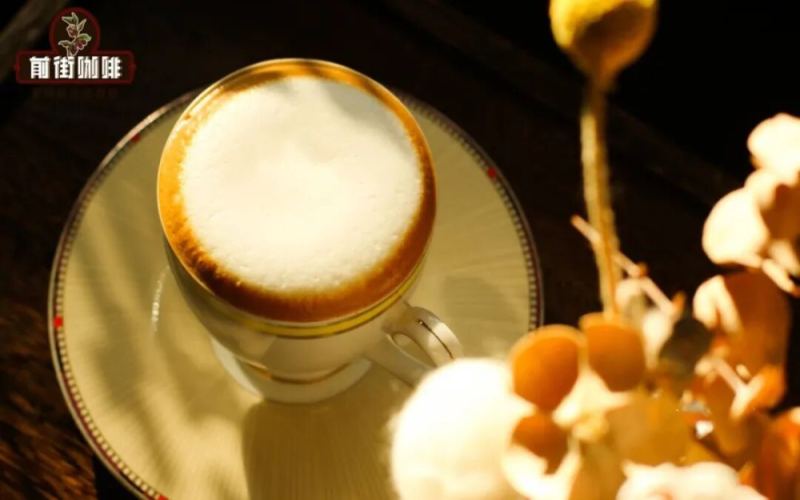
How to Choose Milk for Coffee? A Guide from the Differences Between Fresh Milk and Pure Milk to Milk Pairings for Lattes, Flat Whites, and Dirty Coffee
Milk plays an irreplaceable role in coffee drinks—lattes, flat whites, cappuccinos, and Dirty coffees all depend on it. But faced with the dazzling array of dairy products on the market, which milk is actually suitable for pairing with coffee? What's the difference between fresh milk from different brands and shelf-stable pure milk when making coffee? Front Street Coffee combines milk characteristics with coffee bean styles to help you sort out your milk selection approach. From the advantages of whole fresh milk, to matching milk according to roast level, to the milk selection directions for iced and hot lattes, flat whites, and Dirty coffees respectively, this article explains each one by one, helping coffee enthusiasts find the right milk pairing when making different coffees. [more…]